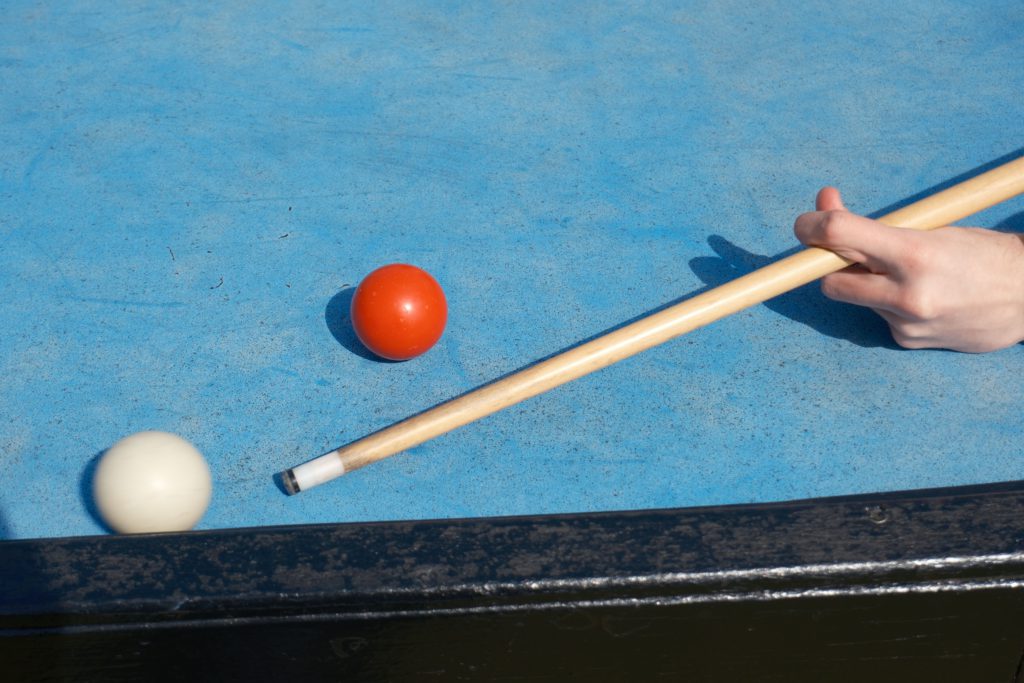
Choosing the right pool cue can make a difference to comfort, consistency and control during a game. There are several types of billiards pool cues available, designed for different playing styles, skill levels and cue sports. Understanding the differences between materials, tip sizes, weights and construction can help players select equipment suited to their needs.
Visiting a specialist pool cue store can be useful for comparing different models and understanding their features. Dedicated retailers often stock cues for English pool, American pool and snooker, along with accessories such as cases, chalk, replacement tips and maintenance equipment. Some stores also allow customers to handle or test cues before purchasing.
One-Piece Pool Cues
One-piece cues are manufactured as a single continuous piece and are commonly found in pubs, pool halls and recreational playing environments.
They are generally straightforward to use and do not require assembly. Their solid construction makes them suitable for shared use, although their full length can make transportation and storage less convenient.
One-piece cues are available in different lengths to accommodate various players and room dimensions.
Two-Piece Pool Cues
Two-piece cues consist of a shaft and butt that connect through a joint.
This design makes them easier to transport and store, particularly for players who regularly visit different venues.
Two-piece cues are popular among recreational and competitive players because they are available in a wide range of materials, weights and specifications.
The quality and fit of the joint can influence how solid the cue feels during play.
English Pool Cues
English pool cues are generally designed for smaller cue balls and tables than those commonly used in American pool.
They typically have narrower tips, often around 8–9.5 mm, although individual preferences vary.
Many English pool cues are made from ash, which has a distinctive grain pattern. Some players prefer ash because its grain provides a visual reference when aligning shots.
American Pool Cues
American pool cues are commonly used with larger balls and tables.
They generally feature wider tips, often approximately 12–13 mm, and are frequently manufactured using maple shafts.
These cues are designed to suit the equipment and playing characteristics of American-style pool games.
Players should consider the type of pool they regularly play before selecting a cue.
Break and Jump Cues
Specialised cues are also available for particular shots.
Break cues are designed to handle the force of the opening break and may feature harder tips or different construction materials.
Jump cues are shorter and designed to help experienced players execute legal jump shots where the rules permit them.
These specialised cues are generally supplementary equipment rather than replacements for a standard playing cue.
Choosing the Right Weight and Tip
Cue weight affects how a cue feels during the stroke. Some players prefer a heavier cue, while others find a lighter model easier to control.
Tip size and hardness can also influence the playing experience. Softer tips may provide a different feel and require more frequent maintenance, while harder tips can offer greater durability.
Personal comfort and consistent technique are generally more important than choosing equipment based on price alone.
Where to Buy Pool Cues
Pool cues can be purchased from specialist billiards retailers, sporting equipment stores and online suppliers.
Specialist stores may offer a broader selection and advice on cue specifications, repairs and replacement accessories.
When buying online, customers should check product dimensions, materials, return policies and delivery arrangements.
For beginners, a reliable cue that feels comfortable and suits the type of game being played is often a sensible starting point. More experienced players may benefit from comparing shaft materials, balance, tip characteristics and specialised cue designs before making a purchase.